
SPOM vs Regular Papers in CA: 6 Powerful Differences + Smart Strategy to Clear Both Without Stress
SPOM vs Regular Papers in CA :
If you’re preparing for CA Final, one confusion almost every student has right now is:
“How are SPOM papers different from regular CA papers?”
“Do I need a different strategy?”
The answer is YES — completely different approach is required.
Let’s break it down in a practical, no-nonsense way so you don’t lose marks or time.
📌 What is SPOM in CA?
SPOM vs Regular Papers in CA :
SPOM (Self-Paced Online Modules) introduced by the Institute of Chartered Accountants of India is a new compulsory requirement for CA Final eligibility.
- Includes Set A, B, C, D
- Objective-based exams (MCQs)
- Can be cleared before Final exams
- Focus on practical + conceptual + application-based learning
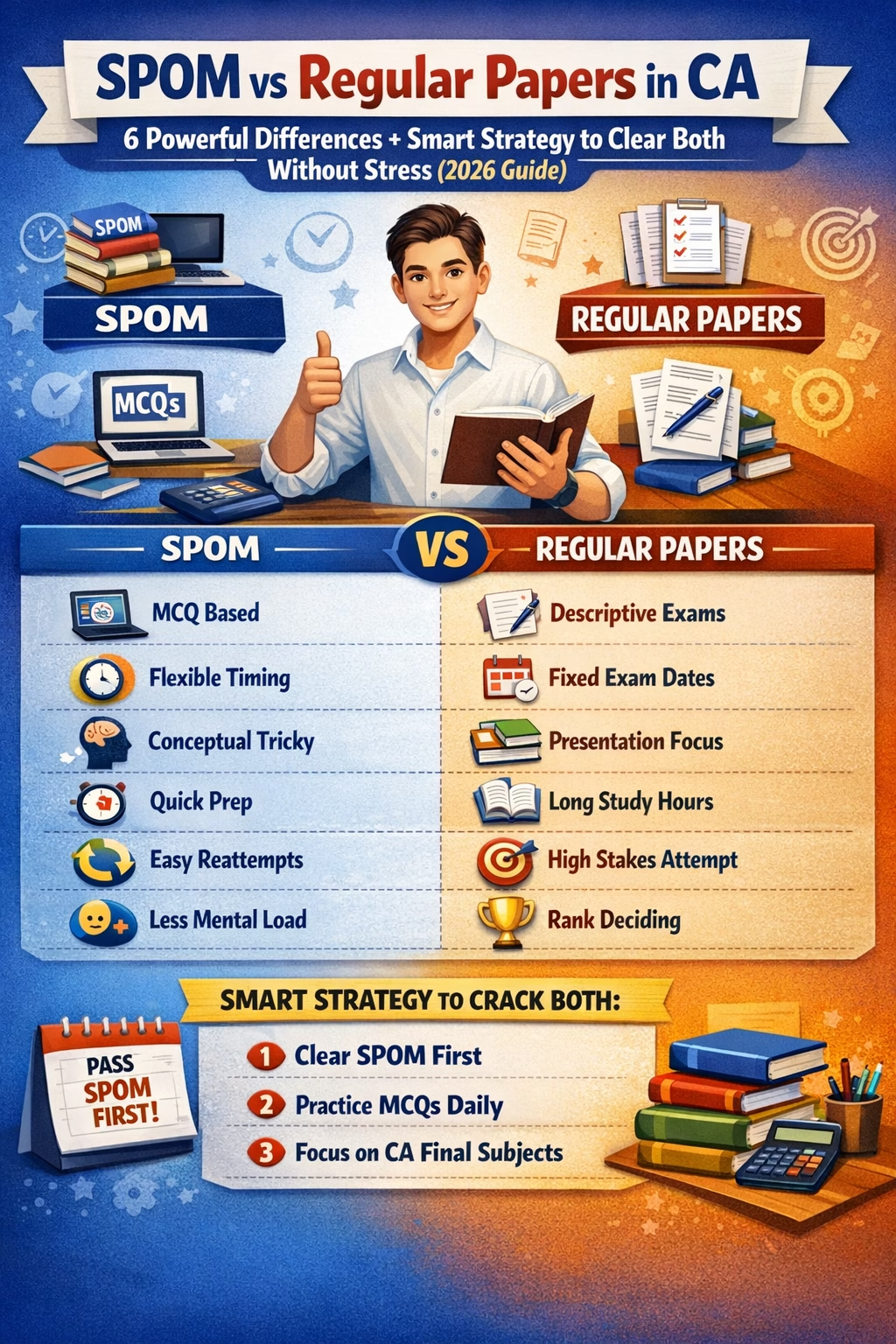
SPOM vs Regular Papers: 6 Key Differences
1. Exam Pattern: MCQ vs Descriptive
SPOM
- Fully MCQ-based
- No writing practice needed
- Focus on concept clarity + elimination skills
Regular Papers
- Descriptive (theory + practical)
- Requires presentation + working notes + formats
👉 Reality Tip:
Many students underestimate SPOM because it’s MCQ — but tricky options can destroy your score if concepts are weak.
2. Flexibility vs Fixed Attempt Pressure
SPOM
- Flexible attempt (anytime before Final)
- No group pressure
- You can focus on one module at a time
Regular Papers
- Fixed exam schedule (May/Nov)
- Group pressure + multiple subjects together
👉 Smart Move:
Finish SPOM early → reduces pressure during CA Final prep massively.
3. Difficulty Level: Conceptual Traps vs Presentation Pressure
SPOM
- Questions are conceptual, twisted, tricky
- Tests understanding, not memory
Regular Papers
- Tests:
- Concept
- Presentation
- Time management
- Working accuracy
👉 Truth:
SPOM can feel easy initially, but scoring 80+ is harder than you think.
4. Study Approach: Smart Learning vs Long Study Hours
SPOM
- Focus on:
- MCQ practice
- Repeated questions
- Concept videos
Regular Papers
- Requires:
- Full syllabus coverage
- Writing practice
- Multiple revisions
👉 Golden Rule:
SPOM = Practice more than reading
Regular = Write more than read
5. Attempt Strategy: Unlimited Mindset vs One-Shot Performance
SPOM
- You can reattempt easily
- Less psychological pressure
Regular Papers
- One attempt = huge stakes
- Rank / exemption pressure
👉 Mistake Students Make:
Taking SPOM casually → delaying → creates last-minute burden.
6. Impact on CA Final Preparation
SPOM
- If cleared early:
✅ Saves 20–30% mental load
✅ Helps focus on core subjects
Regular Papers
- Main rank-deciding exams
👉 Practical Insight:
Students who clear SPOM early have a clear competitive advantage.
Practical Strategy: How to Handle SPOM + Regular Papers Together
🔹 Step 1: Clear SPOM Before Serious Final Prep
- Target: Finish Set A & B first
- Then optional (Set C/D)
👉 Ideal timeline:
6–8 months before CA Final
🔹 Step 2: Use “Low Energy Hours” for SPOM
- Watch marathon lectures
- Solve MCQs casually
👉 Perfect for:
- Late night light study
- Break periods
🔹 Step 3: Follow 3-Step SPOM Strategy
- Concept Video (Fast Learning)
- MCQ Practice (Repeat Questions)
- Revision Notes (Short Points)
🔹 Step 4: Don’t Over-Invest Time
- SPOM is important but not rank-deciding
- Avoid perfection trap
👉 Target: 70–80 marks range efficiently
🔹 Step 5: Parallel Strategy for Regular Papers
While doing SPOM:
- Keep 1 main subject daily (FR/AFM/Audit/DT/IDT)
- SPOM = secondary slot
⚠️ Common Mistakes CA Students Must Avoid
❌ Delaying SPOM till last 2 months
❌ Treating SPOM as “easy”
❌ Ignoring MCQ practice
❌ Watching lectures without solving questions
❌ Trying to score 90+ (time waste)
Final Takeaway
SPOM vs Regular Papers in CA :
👉 SPOM is not difficult — but it is different.
👉 Regular papers are not flexible — but they decide your result.
✔️ Clear SPOM early
✔️ Focus on concepts + MCQs
✔️ Save your peak energy for CA Final subjects
One-Line Strategy
SPOM vs Regular Papers in CA :
👉 “Finish SPOM smartly, not perfectly — and dominate regular papers with full focus.”
🔗 Join 10,000+ CA Students using our Test Series to study smarter and create your own academic brand. Structured tests with detailed feedback.